 80-20+
The Thirty-Two Hour Week: A Price Tag That Turns on One Undefined Word
At full pay, a thirty-two hour week makes every hour of work cost 25 percent more, and how much of that lands on Washington depends on who owns the employer.
- →A thirty-two hour week at full pay makes every hour of work cost 25 percent more.
- →The federal cost depends on which businesses the government would own.
- →Depending on what "the largest corporations" means, that bill runs from $1.6 trillion to $2.8 trillion a year.
- →Buying the businesses would cost up to $108.4 trillion and taking them without pay would violate the Fifth Amendment and put much of the cost on the backs of ordinary Americans.
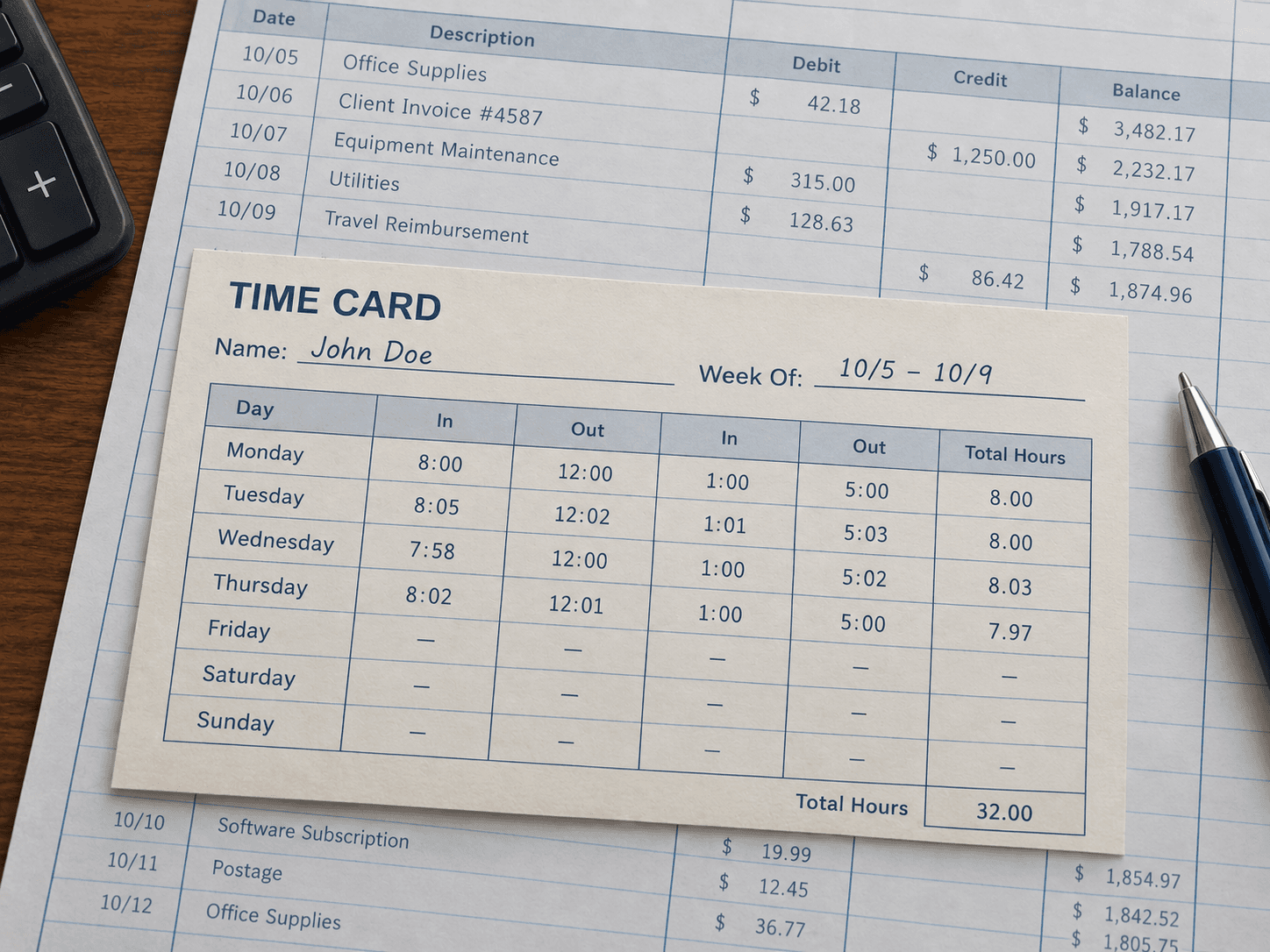
Forty hours of pay for thirty-two hours of work is an easy promise to like. The harder question is who covers the missing eight hours. In the socialist platforms that make the promise, the answer turns on a single word neither one defines.
Both the Democratic Socialists of America (DSA) and the Party for Socialism and Liberation (PSL) promise a thirty-two hour week at full pay and public ownership of the largest corporations. DSA's 2026 program, Workers Deserve More, calls for "public ownership of the largest corporations and essential industries" and says food, education, energy, medicine, and transportation "aren't for-profit businesses; they are common goods and utilities."
Most of what these platforms promise are services the government would buy. This plank is different. Its federal cost depends almost entirely on how much of the economy the government would own, and the platforms leave that open.
At the same weekly pay, each hour of work costs 25 percent more. A business that still needs the same amount of work done each week has to hire more people to cover the hours its workers no longer put in, and that raises its total wage bill by the same 25 percent. The costing assumes the same amount of work still gets done, which matches the policy's stated purpose of shortening hours without reducing what gets produced.
Who pays that bill depends on who owns the business. Imposed on a private business, a shorter week at full pay is a mandate that never appears in the federal budget, though customers would foot the bill. It becomes a federal cost only for workers the federal government itself pays.
That number is not small today – over 2 million. Under the platforms it would be a much large one, because the government would own the businesses and pay their workers itself. How many businesses depends on which ones count as "the largest corporations," and neither platform says.
One natural line is 500 employees, which the Small Business Administration uses to separate small firms from large ones. By that definition, more than half of Pennsylvania's and the nation’s private-sector employees work for a large firm.
This analysis tests three readings. Each also includes the essential industries DSA names, counted here as doctors' offices and clinics, hospitals, nursing and residential care, transportation and warehousing, utilities, food manufacturing, and food and beverage stores.
| Businesses the government would own | Share of private-sector wages the government would pay | Federal cost of the thirty-two hour week |
|---|---|---|
| Essential industries + S&P 500 companies | 45.5 percent | $1.6 trillion a year |
| Essential industries + all firms with 500 or more employees | 67.5 percent | $2.3 trillion a year |
| Essential industries + all corporations | 82.9 percent | $2.8 trillion a year |
How "largest" is read moves the federal price by about $1.2 trillion a year. That one word accounts for 13 percent of the gap between the cheapest and most expensive price tags for the entire socialist program.
Supporters argue that a shorter week raises output per hour. If it rose enough to offset the lost hours, this cost would shrink. If employers accepted less output instead of hiring more employees to make up for lost production, there would be no added wage bill, though the loss would show up as forgone production rather than federal spending. In that case, prices would likely rise for customers as supply would shrink but demand would not.
A second objection is that "the largest corporations" plainly means the narrowest reading. Even then, the federal bill is $1.6 trillion a year. Furthermore, every figure in the table is a floor. Each leaves out restaurants, oil, and gas. Each also does not count the workers in the 15 million government jobs the same platforms promise through a separate federal job guarantee.
Every reading requires the government to own the firms. Public ownership is not a regulation or a tax. It changes who collects the profit, who sets the wages, and who decides what is produced. There are two ways to get there.
The first is to pay. On the widest reading, that means buying privately owned businesses worth $108.4 trillion, more than three times the nation's annual gross domestic product (GDP). If the government borrowed that money, along with the socialist program's separate $14.0 trillion reparations commitment, the yearly interest alone would equal about 17 percent of GDP.
The second is to take the firms without paying, which PSL proposes: taking them "without compensation to the capitalist owners." The Fifth Amendment bars taking private property for public use without just compensation, so this route requires a constitutional amendment, a court willing to abandon the clear text of the Constitution, or a government willing to ignore the law.
Either route must also deal with what those companies owe: $15.7 trillion of debt. If the government takes on that debt, the yearly interest rises to 19.1 percent of GDP. If it refuses to pay, the amount taken from private owners and lenders rises to $124.1 trillion.
Who would bear that loss? The wealthy would bear the largest single share, since the top one percent hold about half the stock and mutual fund shares American households own. But a large portion would fall on those who are not wealthy.
At least $38.1 trillion of corporate equity, more than a third of the total, sits in pension funds, mutual funds, exchange-traded funds, and insurers, the vehicles through which ordinary savers hold shares, including in retirement accounts. It would come out of the savings and retirements of ordinary Americans – workers and retirees.
Applied only to today's federal workforce, a thirty-two hour week would cost about $159 billion a year. Applied to a government that owns the largest firms, as both platforms propose, it costs $1.6 trillion to $2.8 trillion, depending on a word neither has defined.
The promise takes one sentence to make. Pricing it takes a definition the platforms have yet to write.
The Fifth Amendment bars taking private property for public use without just compensation. Public ownership of the largest firms therefore has to be paid for, or it requires a constitutional amendment, a court willing to ignore the plain text of the Constitution, or a government willing to ignore the law. That protection covers every owner, including the pension funds, mutual funds, exchange-traded funds, and insurers that hold more than a third of American corporate equity.
- 25 percent: how much more an hour of labor costs when the week drops from forty hours to thirty-two at the same pay.
- $1.6 trillion to $2.8 trillion a year: the federal cost of the thirty-two hour week, depending on how "the largest corporations" is defined.
- About $1.2 trillion a year: the swing from that one undefined word, 13 percent of the gap between the lowest and highest price tags for the entire socialist program.
- About $159 billion a year: the cost of a thirty-two hour week for today's federal workforce alone, already counted inside the figures above.
- $108.4 trillion: the value of the privately owned businesses the government would have to buy on the widest reading, more than three times annual GDP.
- At least $38.1 trillion: corporate equity held through pension funds, mutual funds, exchange-traded funds, and insurers, more than a third of the total.
- →A thirty-two hour week at the same weekly pay makes every hour of work cost 25 percent more.
- →On a private business, a shorter week at full pay is a mandate; it becomes a federal cost only for workers the federal government pays.
- →Neither the Democratic Socialists of America nor the Party for Socialism and Liberation defines "the largest corporations," and that one word moves the federal cost of the shorter week by about $1.2 trillion a year.
- →Even on the narrowest reading examined, the shorter week would cost the federal government $1.6 trillion a year.
- →More than a third of American corporate equity is held through pension funds, mutual funds, exchange-traded funds, and insurers, so taking firms without payment would put that share of the loss on ordinary American workers and retirees.
Related issues
Is the Rule of Law Eroding in America?
Leaders of both parties have gone around Congress and aimed law enforcement at their opponents, and so far the courts have held the line.
Read explainer →What is the Rule of Law?
Like a sound roof, the rule of law goes unnoticed until it fails.
Read explainer →Free Health Care: What It Actually Costs
Health care at no cost to the patient still comes with a bill: about $3 trillion a year in new federal spending.
Read explainer →Stay informed
Plain-language explainers and sourced updates, in your inbox. No spin, unsubscribe anytime.