 80-20+
Fifteen Million Guaranteed Jobs Cost $1.9 Trillion Before Anyone Gets a Desk
The leading estimate prices the paycheck. The federal government's own books price everything else a job requires.
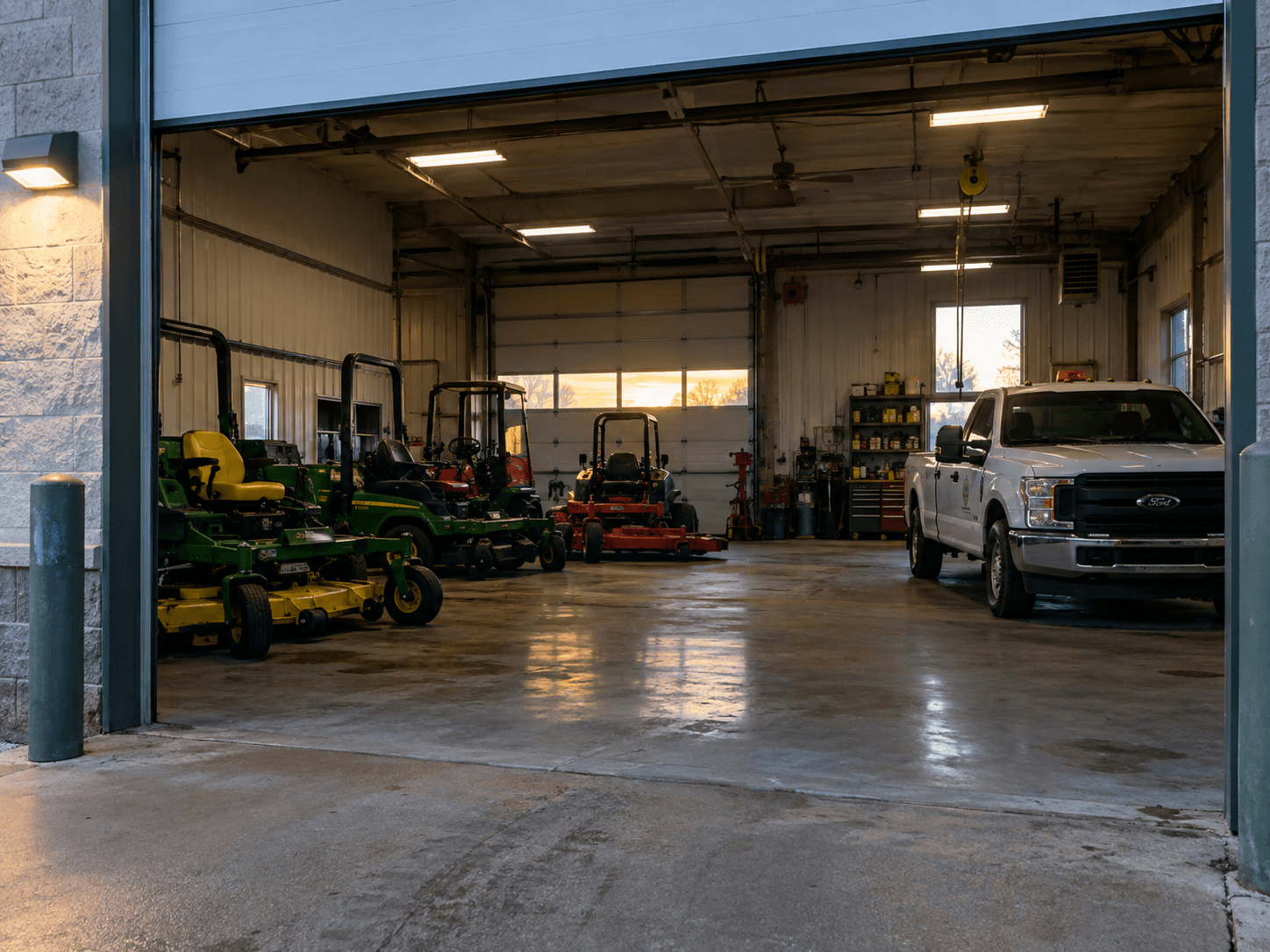
Picture a park crew on the first morning of a guaranteed federal job. Before anyone picks up a rake, someone must find the crew a garage, buy the truck and the mowers, hire a supervisor, and set up the payroll office that will cut their checks. None of that is in the hourly wage, and all of it has to be paid for.
Now multiply that crew to 15 million workers. The economists behind the most developed federal job guarantee proposal estimate the program would add no more than $450 billion a year to the federal deficit. Priced at what the federal government actually spends on its own employees, the payroll alone for those workers comes to $1.9 trillion, before anyone gets a garage or a truck.
The difference is not a rounding dispute. A job costs more than a paycheck. There are benefits, some place to report to and operate from (a desk, a computer), a supervisor, staff in payroll and human resources, and buildings to put all of it in. Counted that way, the guarantee becomes the largest cost driver in everything the two major socialist platforms propose.
The Democratic Socialists of America calls for a federal job guarantee in Workers Deserve More. The Party for Socialism and Liberation calls for one in the program it has maintained since 2010. Neither document prices it.
The design that does carry a price comes from the Levy Economics Institute at Bard College. It pays public service workers $15 an hour. Benefits add 25 percent to wages, and other costs add a further 20 percent.
Levy puts the effect on the federal deficit at no more than 1.5 percent of gross domestic product, about $450 billion. That figure starts from the wage and adds percentages on top. It is not built from what it actually costs to keep a worker on the job.
The cost of a federal employee is known. The federal government employs over 2 million of them, and its budget breaks that down into categories like pay and benefits, rent, utilities, supplies and services that keep an office open, equipment, and buildings. Those categories give the basis for three benchmarks for what it costs to employ someone.
| Case | What it includes | Per employee | 15 million posts |
|---|---|---|---|
| Low | Personnel compensation and benefits, less employer health insurance | $124,670 | $1.9T / yr |
| Central | Adds facilities, rent, utilities, supplies, contracted services, administration | $322,398 | $4.8T / yr |
| High | Adds capital, e.g., equipment, land, and structures | $398,863 | $6.0T / yr |
The low case is what the payroll alone costs if the 15 million people work in no building, use no equipment, and have no supervisor. No real job works that way, which is why it is the floor. Even so, at $1.9 trillion it is more than four times the Levy estimate for the whole program.
The central case adds what it takes to keep a workplace running: rent, utilities, supplies, contracted services, and administration. That more than doubles the cost per employee, to $322,398, and puts the guarantee at $4.8 trillion a year. The high case adds the equipment, land, and structures the work requires, for $6.0 trillion.
A critic can fairly say that someone maintaining a park or staffing an elder care center does not need thousands of dollars for facilities, contracted services, and administration behind them, and that the federal per-employee figure is inflated by legacy pension liabilities, headquarters overhead, and research contracting that a locally administered job corps would never carry. What would change if that were so?
The federal government has a rule for local work like this. When a county uses a federal grant to run something like a park crew and has not negotiated an overhead rate of its own, it may add 15 percent to the crew's direct costs to cover administration. Apply that rule to the guarantee's payroll and it costs $2.2 trillion a year, still above the bottom of the price range in the table above, and far above Levy's $450 billion.
That shortcut is still not the central case, because the 15 percent pays for administration, not a place to work. It buys no buildings, no equipment, no supplies or services, and no vehicles, and 15 million people cannot do actual work without these things.
Across the whole socialist program, this one plank accounts for 25 to 36 percent of the total cost, and 45 percent of the distance between the cheapest and most expensive readings of everything the two platforms propose.
Levy priced the crew's paychecks. Someone still has to pay for the garage, the truck, the supervisor, and the payroll office that cuts the checks, fifteen million times over.
Next: The Wage Problem with Guaranteed Jobs, on what the wage itself would mean for demand and the families who earn it, no matter what level is chosen.
- About $450 billion a year: The Levy estimate of the guarantee's effect on the federal deficit, no more than 1.5 percent of gross domestic product (Levy Economics Institute).
- $1.9 trillion a year: The payroll alone for 15 million posts, more than four times the Levy figure for the whole program. It is priced at the federal government's cost per employee in compensation and benefits, without employer health insurance.
- $4.8 trillion a year: The central case. Adding rent, utilities, supplies, contracted services, and administration raises the cost per employee to $322,398.
- $6.0 trillion a year: The high case, which adds equipment, land, and structures, for $398,863 per employee.
- $2.2 trillion a year: The cost when the federal grant rule's 15 percent allowance for administration is added to the guarantee's payroll.
- 25 to 36 percent: The job guarantee's share of the total cost of everything the two major socialist platforms propose. It also accounts for 45 percent of the distance between the cheapest and most expensive readings of that total.
- →The Democratic Socialists of America and the Party for Socialism and Liberation both call for a federal job guarantee, and neither document says what it would cost.
- →The leading estimate, from the Levy Economics Institute at Bard College, starts from a $15 hourly wage and adds percentages on top, for no more than $450 billion a year.
- →Priced at what the federal government spends on its own employees, the payroll alone for 15 million guaranteed jobs comes to $1.9 trillion a year, before anyone gets a garage or a truck.
- →Counting what it takes to keep a workplace running (rent, utilities, supplies, contracted services, and administration) puts the guarantee at $4.8 trillion a year.
- →Even the federal government's own 15 percent overhead rule for locally run grant work puts the guarantee at $2.2 trillion a year, far above the Levy figure.
Related issues
Is the Rule of Law Eroding in America?
Leaders of both parties have gone around Congress and aimed law enforcement at their opponents, and so far the courts have held the line.
Read explainer →What is the Rule of Law?
Like a sound roof, the rule of law goes unnoticed until it fails.
Read explainer →Free Health Care: What It Actually Costs
Health care at no cost to the patient still comes with a bill: about $3 trillion a year in new federal spending.
Read explainer →Stay informed
Plain-language explainers and sourced updates, in your inbox. No spin, unsubscribe anytime.